The Fitting Room
Mangrove bark and a collection called Believe: Bali’s season
BIASA’s Believe from Jakarta Fashion Week 2026, Potato Head’s Seeds of Life, and lace.
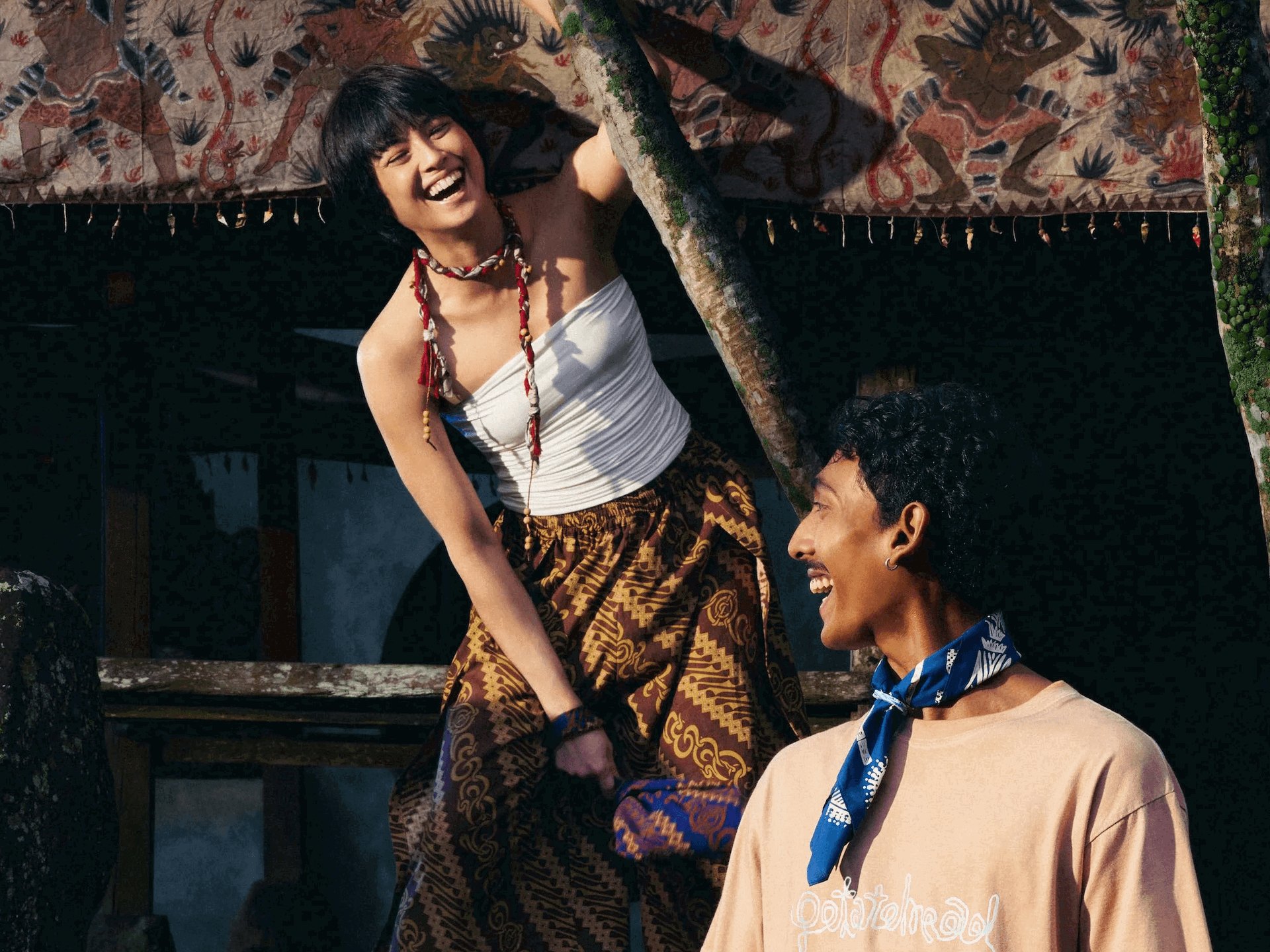
Photo Credit
Image courtesy of © Potato Head Beach ClubThis season in Bali is about where clothes come from. A Bali label took its collection to Jakarta Fashion Week, a Seminyak store dyes with mangrove bark and teaches you to do the same, and a lace house founded in 1978 still counts its makers by household. The details are from the labels’ own pages, checked in November 2026.
Believe, from Bali to Jakarta
BIASA took its new collection, Believe, to Jakarta Fashion Week 2026. The label describes it as a celebration of resilience, empathy and the pursuit of beauty and hope in changing times.
It bridges couture sensibility with everyday wearability: sculptural, voluminous shapes beside soft, flowing pieces, across womenswear, menswear and unisex designs, celebrating, in the label’s words, fluidity in identity and belief.
It is a confident move for a house that began as a Bali resort label more than 30 years ago. BIASA says its studios and workshops now bring artisans, weavers, dyers and designers together side by side, and calls its luxury circular, responsible and soft-spoken. Believe speaks a little louder, which is rather the point of a catwalk.
Its Holiday ’26 pieces are made for the island’s days: relaxed silhouettes, breathable fabric, and details that let you adjust the fit to suit how you wear them. Look out, too, for the label’s pairing of a pleated shirt with a detachable collar and hakama-inspired wide-leg linen trousers, a look built on fine pleats and tonal layering.
A store that teaches
In Seminyak, the Good Times General Store, designed with OMA, is Potato Head’s first dedicated retail space.
It stocks the Potato Head Collection beside artisan-made objects, homewares, travel essentials and collaborations from Indonesia and further afield, and it is built from locally sourced natural materials. At its heart is a space for making, with workshops in natural dyeing, weaving, upcycling and material experiments that turn food waste, plants and discarded plastics into new things.
Few souvenirs can tell you which tree they came from.
The store’s Seeds of Life collection is naturally dyed with mangrove bark, jolawe nuts and tunjung, and draws on Aksara Bali, the Balinese script, and the Javanese Parang pattern. Few souvenirs can tell you which tree they came from.
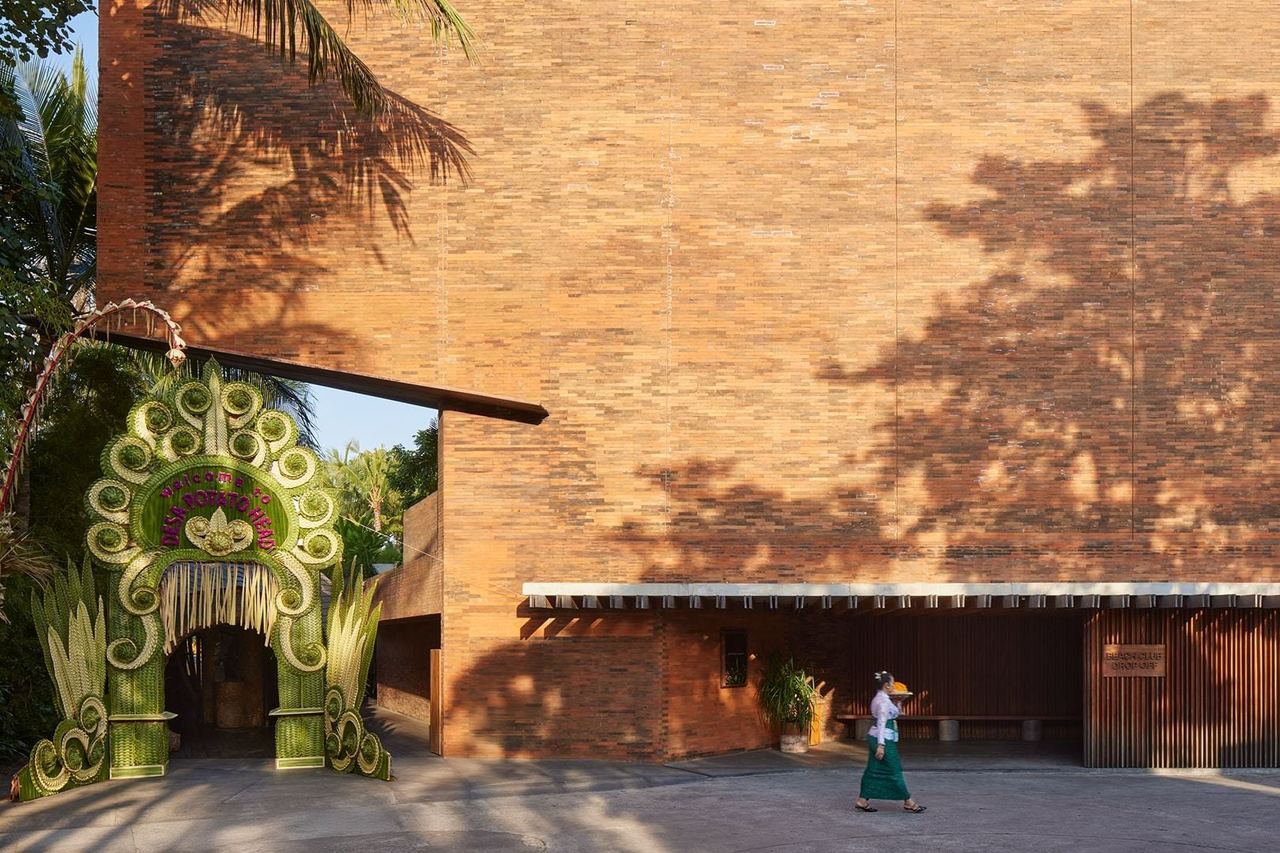
Photo Credit
Image courtesy of © Potato HeadIf you would rather make than buy, Chroma, the natural-dye workshop in the store’s permanent studio, teaches you to turn plant and food waste collected around the Desa into dye for your own tote bag or T-shirt. The Desa frames it as linking a personal act of making to a larger commitment to responsible materials. It is also the rare piece of resort wear that arrives with a method, and slightly stained hands.
Nothing in the store pretends the trip did not happen. That is the appeal: a bag dyed with a nut you could not have named on the way out, sold in a building that explains itself.
Lace that lasts
Uluwatu, the Balinese lace label founded in 1978, frames its collections around long-lasting products and a craft that keeps a few hundred households at work. That is the season’s quiet thread across all three: natural fabrics, hands you could name, and clothes meant to outlive the trip.
Our advice: shop the season in a single Seminyak afternoon. Start at the Good Times General Store, book the dye workshop if you have a morning free, then walk the boutique streets for BIASA, and finish where Uluwatu’s lace hangs in the window. Pack light on the way out; you will not on the way home.
Why it's on our list
- Believe, from Bali to Jakarta
- A store that teaches
- Seeds of Life
- Lace that lasts
Location
The map comes from Google Maps, which sets its own cookies once it loads.
More in depth
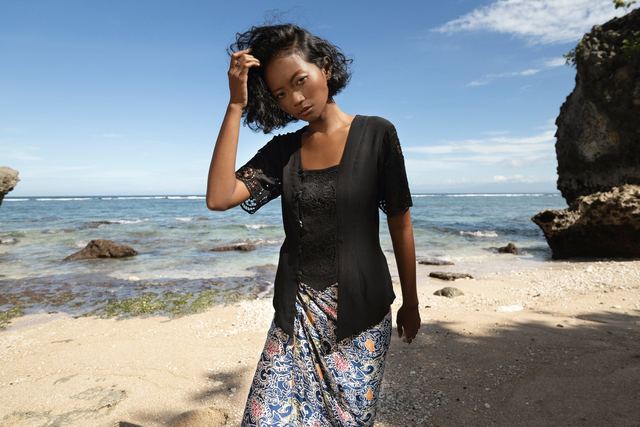 The Fitting RoomLace, linen and a sash: dressing for BaliHandmade lace since 1978, BIASA’s linen, the temple sash and the dress codes from pool to dinner.
 The back storyBali at the table: tasting menus, warungs and the grill on the beachTasting menus, Seminyak’s restaurant row and babi guling.
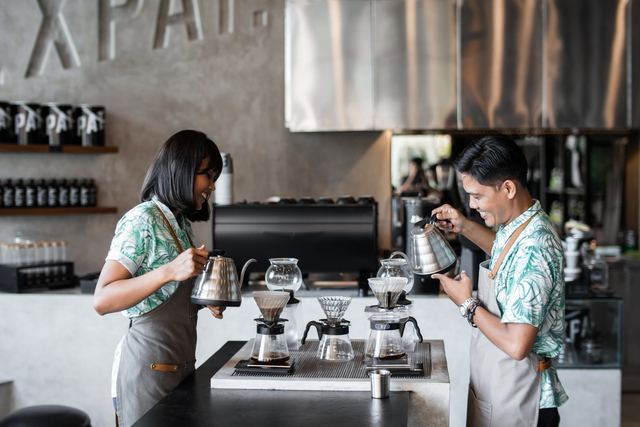 The back storyFrom the volcano to the espresso lane: Bali’s coffee culture, the back storyKintamani arabica, Seminyak roasters and Ubud’s plant-based cafés: how Bali learned to brew.